How NYC’s Air Quality Affects Your Vision and What to Do About It
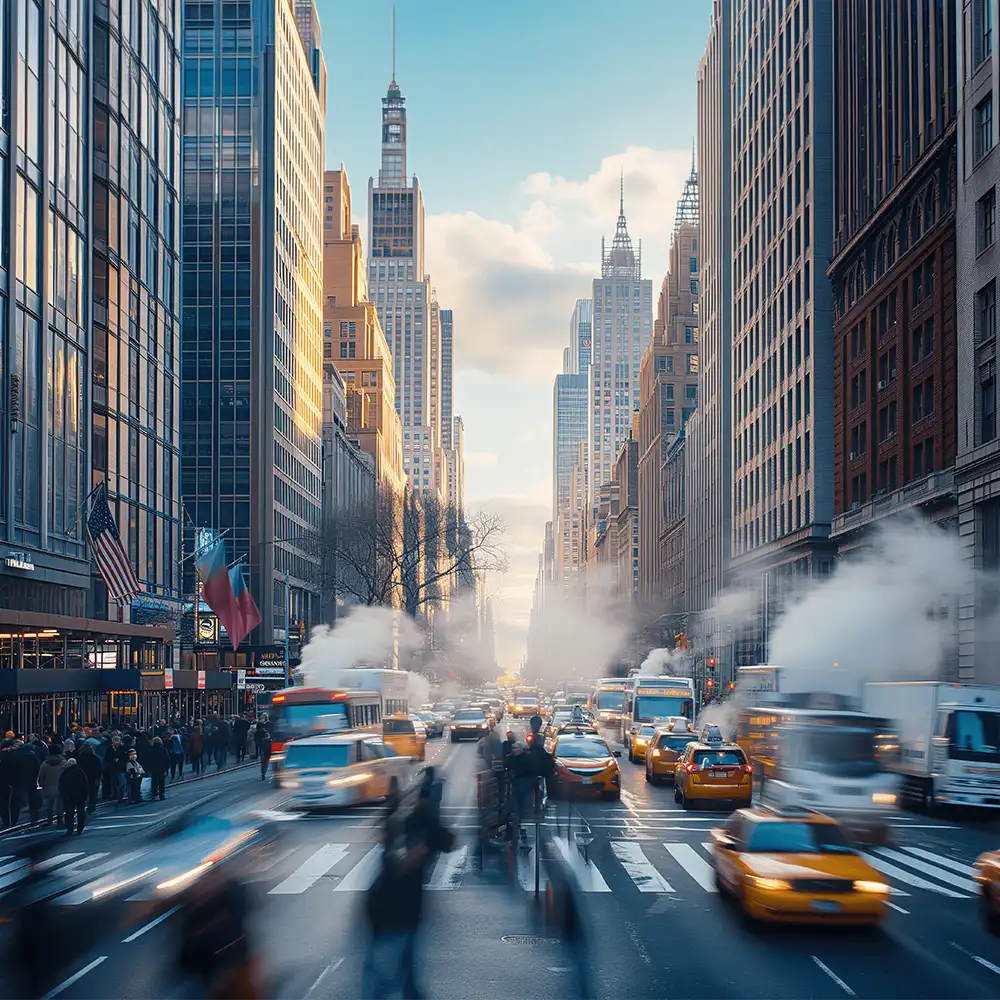
If you live or work in New York City, you’ve likely noticed the haze on certain days—smog hanging over Manhattan, dust swirling on busy streets, or that gritty feeling in your eyes after a commute. But did you know that NYC’s air quality doesn’t just affect your lungs? It’s directly impacting your vision and eye health in ways you might not realize.
New York City residents are particularly susceptible to dry eye disease, eye allergies, and ocular surface inflammation, and the urban environment plays a significant role. The culprit? A combination of air pollution, particulate matter, chemical pollutants, and environmental stressors unique to urban living. Whether you’re dealing with persistent dryness, redness, irritation, or blurred vision, your eyes are telling you something important about the air you’re breathing.
The good news: understanding how NYC’s air quality affects your eyes is the first step toward protecting your vision. In this guide, we’ll explore the science behind pollution-related eye problems, identify the specific symptoms you might be experiencing, and provide practical strategies—plus professional treatment options—to keep your eyes healthy in the city.
The Link Between NYC Air Quality and Eye Health
How Pollution Disrupts Your Tear Film
Your eyes are protected by a delicate tear film—a three-layer barrier composed of oil, water, and mucus that keeps your eyes lubricated, nourished, and protected from irritants. When you’re exposed to NYC’s air pollution, this protective barrier breaks down.
Fine particulate matter (PM2.5 and PM10) from vehicle emissions, construction dust, and industrial pollutants physically lodges in your tear film. Chemical pollutants like nitrogen dioxide (NO₂) and ozone (O₃) chemically irritate the ocular surface, triggering inflammation. The result? Your tears evaporate too quickly, your eyes become dry and uncomfortable, and you’re left with that characteristic gritty, burning sensation.
On high-pollution days in NYC — particularly during summer months when ozone levels spike — many residents notice a clear worsening of eye discomfort and irritation. Your eyes are essentially being exposed to a constant low-level assault from environmental irritants.
Why NYC’s Air Quality Is Particularly Challenging
New York City’s unique geography and traffic patterns create a perfect storm for eye irritation:
- Vehicle Emissions: NYC’s dense traffic generates significant exhaust fumes containing particulate matter and nitrogen oxides that directly irritate the ocular surface.
- Construction & Dust: Ongoing construction projects release fine dust particles that penetrate the tear film.
- Urban Heat Island Effect: The city’s concrete and asphalt absorb heat, creating stagnant air pockets that trap pollutants at street level—exactly where your eyes are.
- Seasonal Variations: Summer ozone levels in NYC can reach concerning highs, while winter inversions trap pollutants close to the ground — creating year-round challenges for eye health.
If you’ve noticed your eye symptoms worsen on certain days or seasons, air quality is likely the culprit.
Common Eye Problems Triggered by NYC Air Quality
Dry Eye Disease: The #1 Complaint
Dry eye disease is among the most frequently reported eye conditions among NYC residents, and urban air pollution is a significant contributing factor. It occurs when your eyes don’t produce enough tears or when tears evaporate too quickly—both of which are exacerbated by urban air pollution.
Types of Dry Eye in NYC:
- Aqueous-Deficient Dry Eye: Your lacrimal glands don’t produce sufficient tears. Pollution-induced inflammation can suppress tear production.
- Evaporative Dry Eye: Your tears evaporate too quickly due to environmental irritants disrupting the lipid (oil) layer of your tear film. This is the most common type in polluted urban environments.
Symptoms you might experience:
- Persistent dryness and grittiness
- Burning or stinging sensation
- Paradoxical tearing (watery eyes that are actually dry)
- Blurred or fluctuating vision
- Redness and eye fatigue
The irony? Many people with dry eye experience excessive tearing because their eyes are trying to compensate for the irritation. If you’re experiencing watery eyes alongside dryness, pollution-related dry eye is likely at play.
Eye Allergies Amplified by Urban Pollution
NYC’s air quality doesn’t just cause direct irritation—it amplifies allergic reactions. Pollution particles act as carriers for allergens like pollen, mold spores, and pet dander, making allergic responses more severe and longer-lasting.
When you’re exposed to high pollution levels, your immune system becomes hyperactive. Mast cells in your conjunctiva (the clear membrane covering your eye) release histamine, triggering:
- Intense itching and burning
- Redness and swelling
- Watery discharge
- Difficulty opening your eyes in severe cases
People with pre-existing allergies often report that their symptoms worsen dramatically during high-pollution days in NYC. If you’ve never had allergies but recently moved to the city, pollution-triggered allergic responses might be the cause.
Blepharitis: Inflammation of the Eyelids
Blepharitis, inflammation of the eyelid margins where your eyelashes attach, is a condition eye care specialists see regularly in urban environments like NYC. Pollution particles accumulate along the lash line, triggering bacterial overgrowth and meibomian gland dysfunction (the glands that produce the oil layer of your tears).
Symptoms include:
- Red, swollen eyelids
- Crusty buildup along the lash line
- Sensation of a foreign body in the eye
- Eyelash loss in severe cases
- Difficulty wearing contact lenses
Blepharitis is often chronic and requires consistent management, especially in polluted environments.
Contact Lens Complications
If you wear contact lenses in NYC, you’re facing a compounded problem. Pollution particles can:
- Deposit directly on your lens surface, causing discomfort and blurred vision
- Trigger protein buildup and lens deposits
- Increase bacterial colonization on the lens
- Cause giant papillary conjunctivitis (inflammation under the upper eyelid)
Many NYC contact lens wearers report switching to glasses on high-pollution days or abandoning contacts altogether. If you’re experiencing persistent discomfort, frequent infections, or declining vision quality with contacts, air quality may be the underlying issue.
Long-Term Vision Risks: What You Need to Know
While most pollution-related eye symptoms are temporary and reversible, chronic exposure to poor air quality poses serious long-term risks:
Chronic Inflammation and Ocular Surface Disease
Repeated exposure to pollution triggers chronic inflammation of the ocular surface. Over time, this can lead to:
- Corneal scarring: Permanent damage to the clear front surface of your eye
- Conjunctival fibrosis: Thickening and scarring of the conjunctiva
- Meibomian gland atrophy: Permanent loss of oil-producing glands, leading to chronic dry eye
Increased Risk of Cataracts and Macular Degeneration
Studies suggest a link between long-term air pollution exposure and several serious eye conditions, including:
- Cataracts: Clouding of the lens, accelerated by oxidative stress from pollution
- Age-related macular degeneration (AMD): Degeneration of the central retina, potentially leading to vision loss
- Glaucoma: Elevated intraocular pressure, a leading cause of blindness
People living in high-pollution areas may face elevated risk for these conditions, making early intervention and consistent eye care especially important.
Practical Strategies to Protect Your Eyes in NYC
Daily Protective Measures
- Invest in Quality Wraparound Sunglasses
- Choose UV-blocking sunglasses with side coverage to minimize particle exposure
- Wraparound styles are most effective at blocking pollution particles
- Wear them even on cloudy days—UV rays penetrate clouds, and pollution is always present
- Use Artificial Tears Strategically
- Apply preservative-free lubricating drops 2-3 times daily, especially on high-pollution days
- Look for drops containing hyaluronic acid or lipid-based formulations to restore your tear film
- Keep drops with you during your commute
- Monitor NYC Air Quality
- Check the EPA’s AirNow app or NYC Department of Environmental Protection’s air quality index (AQI) daily
- On days with AQI above 100 (unhealthy), limit outdoor exposure and use extra protective measures
- Plan outdoor activities for early morning when pollution levels are typically lower
- Maintain Eyelid Hygiene
- Wash your eyelids gently with warm water and a clean washcloth each morning and evening
- Use eyelid cleansing wipes designed for blepharitis if you have eyelid inflammation
- This removes accumulated pollution particles and reduces bacterial overgrowth
- Stay Hydrated and Support Tear Production
- Drink adequate water throughout the day (aim for 8-10 glasses)
- Consume omega-3 rich foods (salmon, flaxseed, walnuts) to support meibomian gland function
- Limit caffeine and alcohol, which can dehydrate your eyes
Environmental Modifications
- Optimize Your Indoor Air Quality
- Use a HEPA air purifier in your bedroom and workspace to reduce indoor pollution exposure
- Change HVAC filters monthly during high-pollution seasons
- Keep windows closed on high-pollution days
- Use a humidifier to maintain 40-50% humidity, which supports tear film stability
- Reduce Screen Time Exposure
- Pollution-related eye irritation is compounded by digital eye strain
- Follow the 20-20-20 rule: Every 20 minutes, look at something 20 feet away for 20 seconds
- Reduce blue light exposure by using screen filters or blue light glasses
- Blink consciously and frequently—pollution makes us blink less
- Manage Contact Lens Wear
- Consider switching to daily disposable lenses, which reduce particle accumulation
- On high-pollution days, wear glasses instead of contacts
- Ensure proper lens hygiene and use fresh solution daily
- Discuss pollution-related complications with your eye care provider
Advanced Clinical Treatments for Pollution-Related Eye Problems
If home remedies and preventive measures aren’t providing relief, professional treatment options can help:
Dry Eye Treatments
Prescription Eye Drops
- Cyclosporine (Restasis) and lifitegrast (Xiidra) reduce inflammation and stimulate tear production
- These are particularly effective for pollution-induced dry eye with an inflammatory component
Punctal Plugs
- Tiny biocompatible plugs inserted into tear drainage ducts to retain tears on the eye surface
- Highly effective for evaporative dry eye caused by pollution
- Can be temporary (dissolvable) or permanent
Meibomian Gland Therapy
- Thermal pulsation treatment (LipiFlow) or intense pulsed light (IPL) therapy to restore oil gland function
- Addresses the root cause of evaporative dry eye
- Often combined with manual expression of gland contents
- FDA-approved intense pulsed light (IPL) treatment specifically designed for dry eye disease
- Reduces inflammation, eliminates bacteria, and improves meibomian gland function
- Particularly effective for pollution-related dry eye with an inflammatory component
- Typically requires 3-4 sessions spaced 2 weeks apart for optimal results
- Non-invasive with minimal downtime
Amniotic Membrane Transplantation
- For severe cases with corneal scarring or significant ocular surface damage
- Promotes healing and reduces inflammation
Allergy and Inflammation Management
Topical Antihistamines and Mast Cell Stabilizers
- Prescription drops like olopatadine or ketotifen provide rapid relief from allergic symptoms
- More effective than over-the-counter options for pollution-triggered allergies
Oral Antihistamines
- For systemic allergic responses exacerbated by pollution
- Discuss with your eye care provider about options that don’t cause dry eye as a side effect
Steroid Eye Drops
- Short-term use during acute inflammation flare-ups
- Must be monitored by an eye care professional to prevent complications
Blepharitis Treatment
In-Office Eyelid Cleaning
- Professional removal of debris and bacterial biofilm from the eyelid margin
- Often combined with warm compresses and meibomian gland expression
Antibiotic Ointments
- Topical antibiotics (bacitracin, erythromycin) applied to the eyelid margin
- Reduces bacterial overgrowth triggered by pollution accumulation
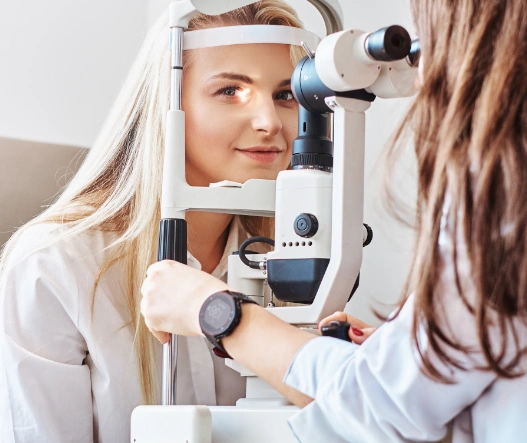
Why a Comprehensive Eye Exam Is Essential
If you’re experiencing any of the symptoms described in this guide, scheduling a comprehensive eye exam at NY LASIK is crucial. Here’s why:
A professional eye exam can:
- Identify the specific type of dry eye or inflammation you’re experiencing
- Rule out other conditions that mimic pollution-related symptoms
- Measure tear production and tear film quality
- Assess corneal health and detect early signs of scarring or damage
- Determine which treatment approach will be most effective for your situation
- Monitor for long-term complications like cataracts or macular degeneration
During your exam, our specialists will:
- Perform advanced testing (Schirmer test, tear osmolarity, meibography) to assess tear film quality
- Evaluate your ocular surface under magnification
- Review your lifestyle, work environment, and pollution exposure
- Develop a personalized treatment plan tailored to NYC’s unique environmental challenges
- Provide ongoing monitoring to ensure your eyes remain healthy
Frequently Asked Questions
Can air pollution permanently damage my eyes?
While most pollution-related eye symptoms are temporary and reversible, chronic exposure can lead to permanent changes like corneal scarring, meibomian gland atrophy, and increased risk of cataracts. Early intervention and consistent protective measures can prevent long-term damage.
How do I know if my symptoms are from pollution or allergies?
Pollution-related symptoms are typically worse on high-pollution days and improve indoors. Allergies tend to be seasonal and triggered by specific allergens. However, pollution amplifies allergies, so you may experience both. A professional eye exam can help distinguish between the two.
Are contact lenses safe to wear in NYC?
Contact lenses can be worn safely in NYC with proper precautions. Consider daily disposables, maintain excellent hygiene, and switch to glasses on high-pollution days. Discuss your specific situation with your eye care provider.
What’s the best way to clean my eyes after being outside in NYC?
Gently rinse your eyes with preservative-free saline solution or artificial tears. Avoid rubbing, which can further irritate the ocular surface. Wash your face and eyelids with gentle cleanser to remove accumulated particles.
How often should I have my eyes examined if I live in NYC?
We recommend annual comprehensive eye exams for most NYC residents. If you have existing dry eye, allergies, or other pollution-related symptoms, more frequent exams (every 6 months) may be beneficial to monitor your eye health and adjust treatment as needed.
Take Action: Schedule Your Comprehensive Eye Exam Today
NYC’s air quality is a reality we all face, but it doesn’t have to compromise your vision. By understanding how pollution affects your eyes and taking proactive steps—both at home and with professional care—you can protect your sight and maintain comfortable, healthy eyes.
If you’re experiencing dry eye, irritation, allergies, or any of the symptoms described in this guide, don’t wait. The specialists at NY LASIK are experienced in diagnosing and treating pollution-related eye conditions specific to NYC residents. We’ll develop a personalized treatment plan that addresses your unique needs and helps you see clearly, comfortably, and confidently.
Schedule Your Comprehensive Eye Exam Now or call us to discuss your symptoms with one of our eye care specialists.
Your eyes deserve the best care—especially in a city like New York.