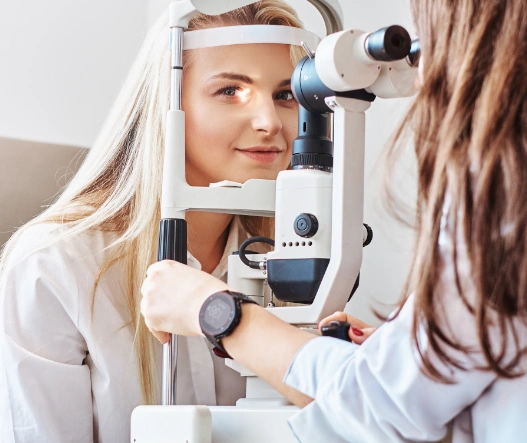
Why Dry Eye Is So Common in New York City (And What You Can Do)
If you live or work in New York City, you’ve probably experienced that uncomfortable scratchy, burning sensation in your eyes at some point. You’re not alone. Dry eye syndrome has become increasingly prevalent among NYC residents, and there are specific reasons why our city’s unique environment makes us particularly susceptible to this condition.
Unlike dry eye in other parts of the country, the dry eye epidemic in New York City is driven by a perfect storm of environmental, occupational, and lifestyle factors that are distinctly urban. Understanding why dry eye is so common here—and what you can do about it—is the first step toward finding relief.
What Is Dry Eye Syndrome?
Dry eye syndrome, also known as dry eye disease, occurs when your eyes don’t produce enough tears or when the tears you do produce don’t have the right composition to keep your eyes lubricated and healthy. Tears are essential for more than just keeping your eyes moist; they protect the cornea, reduce infection risk, and provide clear vision.
There are two main types of dry eye:
Aqueous-deficient dry eye occurs when your lacrimal glands don’t produce enough tears.
Evaporative dry eye happens when your tears evaporate too quickly, usually due to meibomian gland dysfunction (MGD)—a blockage or inflammation of the oil-producing glands in your eyelids.
Meibomian gland dysfunction is the most common cause of dry eye, accounting for the majority of cases.1 This is important because it means the underlying problem isn’t always about tear quantity—it’s often about tear quality.
Why Is Dry Eye So Common in New York City?
New York City presents a unique combination of environmental and lifestyle factors that make dry eye exceptionally common. Here’s what makes our city different:
Air Pollution and Urban Particulates
New York City’s air quality is significantly impacted by vehicle emissions, industrial pollution, and the sheer density of human activity. Tiny airborne particles—including dust, exhaust, and allergens—constantly irritate the ocular surface and break down your natural tear film. These particles can accumulate on your eyelids and lashes, further disrupting the delicate balance of tear production and evaporation.
Unlike suburban or rural areas with cleaner air, NYC residents are exposed to these irritants every single day, especially during commutes on crowded subways and busy streets.
The Subway Effect: Recirculated Air and Allergens
The New York City subway system is a unique dry eye culprit. Subway cars recirculate air that’s filled with dust, mold spores, and other irritants. If you commute daily on the MTA, you’re exposing your eyes to an environment that’s far drier and more contaminated than outdoor air. The combination of poor ventilation, crowded conditions, and recirculated air creates an ideal scenario for tear film breakdown.
Extreme Temperature Swings
New York City experiences dramatic seasonal temperature changes, and even within a single day, you might move between freezing outdoor air and heavily heated indoor spaces. This constant thermal shock stresses your eyes and tear film. In winter, heated buildings create extremely dry indoor environments—humidity levels can drop to 20% or lower—while outdoor temperatures plummet. Your eyes struggle to adapt to these rapid changes, leading to increased tear evaporation and irritation.
Air Conditioning and Indoor Climate Control
During summer months, air conditioning is ubiquitous in NYC offices, apartments, and public spaces. While AC keeps us comfortable, it dramatically reduces humidity levels and increases tear evaporation. Many office workers spend 8+ hours daily in climate-controlled environments, which accelerates meibomian gland dysfunction and tear film instability.
The problem is compounded by the fact that many NYC buildings have aging HVAC systems that don’t maintain optimal humidity levels, creating an even more hostile environment for tear film stability.
Screen Time and Digital Eye Strain
New York City’s fast-paced, tech-driven culture means many residents spend extended hours staring at computer screens, smartphones, and tablets. When we focus on digital devices, we blink less frequently—studies show we blink up to 66% less when using screens.2 Reduced blinking means less tear distribution across the eye surface, leading to dry spots and irritation.
For NYC professionals working in finance, tech, media, and other industries, screen time often exceeds 10 hours per day, making digital eye strain a major contributor to dry eye symptoms.
Allergens and Seasonal Triggers
New York City’s urban environment concentrates allergens in ways that suburban areas don’t. Tree pollen in spring, mold spores from aging buildings, dust mites in dense housing, and pet dander in close quarters all trigger allergic responses that inflame the ocular surface and disrupt tear production. Allergic inflammation can lead to meibomian gland dysfunction, creating a cascade of dry eye symptoms.
Medications and Lifestyle Factors
Many common medications—including antihistamines (used frequently by NYC residents dealing with urban allergens), antidepressants, blood pressure medications, and decongestants—reduce tear production as a side effect. Combined with the other environmental stressors unique to NYC, medication-related dry eye becomes more pronounced.
Additionally, NYC’s high-stress lifestyle, irregular sleep patterns, and demanding work culture can suppress tear production and impair the body’s ability to maintain healthy tear film.
Symptoms of Dry Eye
Dry eye symptoms vary widely and can include:
- A scratchy, gritty sensation in your eyes
- Burning or stinging pain
- Redness and irritation
- Blurred or fluctuating vision
- Excessive tearing (paradoxically, dry eyes can trigger reflex tearing)
- Sensitivity to light
- Difficulty wearing contact lenses
- Eye fatigue, especially after screen time3
Many NYC residents dismiss these symptoms as normal consequences of city living, but they’re actually signs that your eyes need professional attention.
How Dry Eye Is Diagnosed
Proper diagnosis is essential because dry eye can have multiple underlying causes, and treatment should be tailored to address the specific problem. At NY LASIK, we use advanced diagnostic technology to identify exactly what’s causing your dry eye:
LipiView II Imaging provides detailed visualization of your meibomian glands, allowing us to assess gland structure and function. This technology reveals whether your dry eye is caused by meibomian gland dysfunction—the most common cause—or other factors.
Tear osmolarity testing measures the salt concentration in your tears, helping us determine whether you have aqueous-deficient or evaporative dry eye.
Ocular surface staining reveals areas of corneal damage caused by dry eye, guiding treatment decisions.
This comprehensive diagnostic approach ensures we’re not just treating symptoms—we’re addressing the root cause of your dry eye.
Treatment Options for Dry Eye
Treatment for dry eye ranges from simple lifestyle modifications to advanced clinical interventions. The right approach depends on the severity of your condition and its underlying cause.
Over-the-Counter Solutions
For mild dry eye, artificial tears can provide temporary relief. However, most over-the-counter drops only address symptoms and don’t treat the underlying problem. Many patients find that artificial tears become less effective over time, requiring stronger interventions.
Prescription Medications
Restasis and similar medications can help increase tear production, but they work slowly and don’t address meibomian gland dysfunction—the root cause in most cases.
Advanced Clinical Treatments
For patients seeking lasting relief, NY LASIK offers cutting-edge treatments that address the underlying cause of dry eye:
OptiLight IPL (Intense Pulsed Light) Therapy uses light-based technology to reduce inflammation caused by meibomian gland dysfunction. This FDA-cleared treatment targets the inflammatory cascade that disrupts tear film stability. OptiLight is particularly effective for patients whose dry eye is driven by the environmental inflammation so common in NYC.
OptiPlus is a dual-frequency radiofrequency device that enhances blood circulation and targets the meibomian glands to improve clinical outcomes. Dr. Minh Vu is the only OD in Manhattan providing this advanced treatment, making it a unique differentiator for NY LASIK patients.
LipiFlow® Activator uses Vectored Thermal Pulse™ (VTP) technology to deliver controlled heat and gentle pressure to the inner eyelid, effectively removing meibomian gland blockages. This FDA-approved treatment typically requires just one quick session and provides significant relief from dry eye symptoms.
Punctal Plugs are tiny devices inserted into the tear drainage ducts to reduce tear loss and keep tears on the eye surface longer. This is particularly helpful for patients with aqueous-deficient dry eye.
Amniotic Tissue Application and Allograft Tissue Contact Lenses provide advanced options for severe dry eye cases, promoting healing of the ocular surface.
NYC-Specific Prevention and Lifestyle Modifications
While advanced treatments are highly effective, preventing dry eye—or preventing it from worsening—requires adapting to NYC’s unique environment:
Protect Your Eyes During Commutes
Wear wraparound sunglasses on the street to shield your eyes from wind, pollution, and UV radiation. Consider wearing protective eyewear in the subway to reduce exposure to recirculated air and particulates.
Manage Your Indoor Environment
Use a humidifier in your home and office to counteract the drying effects of heating and air conditioning. Aim for humidity levels between 40-60%. Position your desk away from direct AC vents.
Optimize Your Screen Time
Follow the 20-20-20 rule: every 20 minutes, look at something 20 feet away for 20 seconds. This reduces eye strain and encourages blinking. Adjust your screen brightness and position to reduce glare.
Stay Hydrated
Drink plenty of water throughout the day. Systemic dehydration worsens dry eye symptoms.
Take Breaks from Contact Lenses
If you wear contacts, consider alternating with glasses on days when your eyes feel particularly dry. Contact lenses can exacerbate dry eye by reducing oxygen flow to the cornea.
Manage Allergies Proactively
Work with an allergist to identify and minimize exposure to allergens. Avoid rubbing your eyes, which triggers inflammation and worsens dry eye.
Prioritize Sleep
Aim for 7-9 hours of quality sleep nightly. Sleep deprivation impairs tear production and the body’s ability to maintain healthy tear film.
When to See a Dry Eye Specialist
If you’re experiencing persistent dry eye symptoms—especially if over-the-counter drops aren’t helping—it’s time to see a specialist. This is particularly important if you’re a NYC resident, because our unique environmental stressors often require professional intervention.
At NY LASIK, we take a different approach than most practices. Rather than simply prescribing artificial tears or Restasis and sending you on your way, we use advanced diagnostic technology to identify the root cause of your dry eye and develop a personalized treatment plan.
Dr. Minh Vu and our team have the clinical training and technology necessary to treat even complex dry eye cases. We’re committed to addressing the underlying cause—not just masking symptoms—so you can enjoy clear, comfortable vision.
The Bottom Line
Dry eye is incredibly common in New York City because of our unique combination of environmental, occupational, and lifestyle factors. Air pollution, subway commutes, extreme temperature swings, air conditioning, screen time, and urban allergens all conspire to disrupt tear film stability and trigger meibomian gland dysfunction.
The good news? Dry eye is highly treatable, especially when you work with specialists who understand both the condition and the specific challenges of living in NYC.
If you’re tired of dealing with dry, uncomfortable eyes, schedule a consultation with NY LASIK today. We’ll use advanced diagnostic technology to identify what’s causing your dry eye and develop a personalized treatment plan that actually works.
Your eyes deserve better than temporary relief. They deserve lasting comfort.
Sources
1 Sheppard JD, Nichols KK. Dry Eye Disease Associated with Meibomian Gland Dysfunction: Focus on Tear Film Characteristics and the Therapeutic Landscape. Ophthalmol Ther. 2023 Jun;12(3):1397-1418. doi: 10.1007/s40123-023-00669-1. Epub 2023 Mar 1. PMID: 36856980; PMCID: PMC10164226. Available: https://pmc.ncbi.nlm.nih.gov/articles/PMC10164226/#. Accessed March 9, 2026.
2 Prescott CR. Increased Screen Time and Dry Eye: Another Complication of COVID-19. Eye Contact Lens. 2021 Aug 1;47(8):433. doi: 10.1097/ICL.0000000000000820. PMID: 34310487; PMCID: PMC8294656. Available: https://pmc.ncbi.nlm.nih.gov/articles/PMC8294656/. Accessed March 9, 2026.
3 Mayo Clinic. Dry Eyes. Available: https://www.mayoclinic.org/diseases-conditions/dry-eyes/symptoms-causes/syc-20371863. Accessed March 9, 2026.